Find themes in a research interview transcript
An interview theme is an interpretation supported by evidence, not a phrase that happens to recur. Keep participant observations visible as you group them, and look for contradictions before turning a draft theme into a finding.
Define the research question first
A transcript can support many different analyses. State what you are trying to understand before selecting passages: for example, how small teams prepare a weekly handoff, rather than whether your proposed dashboard is a good idea. The first question leaves space for evidence you did not expect; the second can bias every code toward a favored solution.
Use only research material participants authorized you to process. Replace unnecessary identifiers and follow the study's handling rules before asking an assistant to inspect an excerpt. Anonymizing a name alone may not remove identifying context such as a distinctive job or incident.
Extract observations before explaining them
GOV.UK's research guidance separates observations from findings. Apply that distinction to each passage. “Participant reopened the spreadsheet to check the owner” describes behavior. “The interface lacks trust” is an interpretation that needs evidence. Do not let a model's fluent interpretation replace the underlying observation.
For an invented interview excerpt, a participant says: “I message someone before closing a handoff because the owner field is often old.” A possible initial code is owner verification. A candidate theme is uncertainty about current responsibility. Neither establishes that all customers have the same problem or that a new notification feature would fix it.
Create a reviewable coding table
Prompt: “For this permitted excerpt, return passage, short descriptive code, possible interpretation and follow-up question. Keep interpretations tentative. Do not invent participant counts, quotes or prevalence. Identify evidence that challenges the candidate theme.” Work through a small excerpt first so you can inspect every proposed connection.
An illustrative follow-up question is: “Tell me about the last time the listed owner was wrong. How did you find the correct person?” It explores the observed behavior without asking the participant to endorse a feature. Preserve the original passage beside the code in your working document.
Compare across interviews cautiously
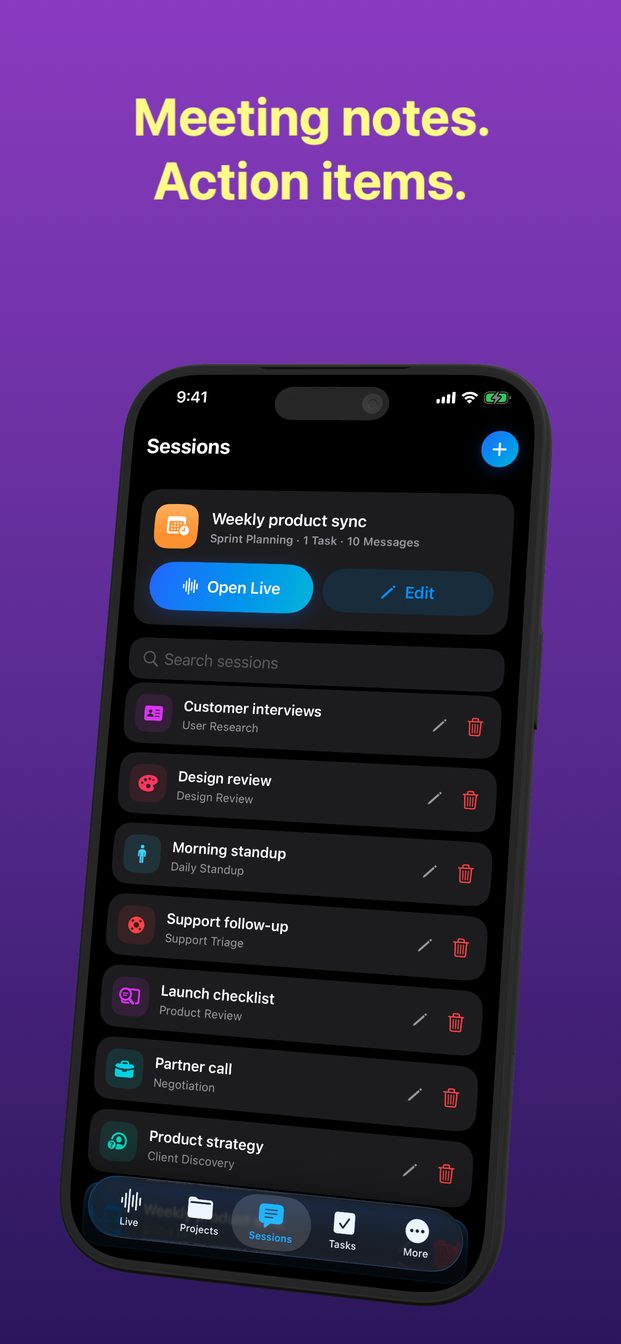
GPT Realtime Assistant provides a user-research session template and can respond to analysis instructions. It is not being presented here as a research repository, automatic coding platform or participant-consent management system. Maintain the reviewed analysis in your approved research workflow.
- Review each passage in its surrounding context.
- Group codes that describe a genuinely shared problem.
- Keep conflicting cases visible beside supporting ones.
- Count participants only from your actual study records.
- Distinguish a recurring observation from your explanation of its cause.
- Review the theme with another researcher or observer where possible.
Write a finding that shows its limits
A useful candidate finding could say: “In these interviews, several handoffs required a separate check of ownership; the next study should test what makes ownership feel current.” Replace several with an accurate count if you have one. Do not imply statistical representativeness from a small qualitative study.
Finish by connecting the finding to a decision or further question. If the evidence only establishes uncertainty, the action may be to observe a real handoff rather than build a solution. Good analysis preserves that option instead of allowing the apparent completeness of a generated report to decide the product roadmap.