Practice responding to sales objections without inventing claims
A useful objection roleplay tests how you understand a concern, not how quickly you can overpower it. Bring verified product facts, ask a clarifying question and keep unanswered questions visible for follow-up.
Prepare a small fact sheet
List the product's actual capabilities, important limitations, approved prices and promises you are authorized to make. Add questions you cannot answer yet. A roleplay becomes misleading when the assistant supplies an integration, guarantee or discount simply because it makes the conversation easier.
Use invented customer details for practice. Do not include confidential customer material unless the processing is permitted. The assistant can simulate a concern, but its response is not market research and does not establish what real customers will object to most often.
Start with the concern behind the objection
“It costs too much” could mean a budget limit, an unclear benefit, a comparison with a different product or uncertainty about ongoing charges. Those require different conversations. Practice asking: “Which part of the cost is difficult to justify for the task you need done?” rather than immediately defending every line of the price list.
For an invented subscription tool, a customer might say they need only occasional use. An honest response could acknowledge that a recurring plan may not fit that pattern. The correct outcome of a roleplay is sometimes identifying poor fit, not finding a sentence that makes every prospect buy.
Use a constrained roleplay prompt
Try: “Act as a prospective customer evaluating this fact sheet. Raise one concern about cost, fit or setup, then wait. Base your questions on the supplied facts. Do not invent customer results or product capabilities. Afterward, flag any promise I made that the fact sheet does not support.”
If the simulated customer asks about an unsupported export, practice: “I cannot confirm that capability from the information I have. I will check it rather than promise it.” Record the question for a real product owner. Do not let the model turn that statement into “yes, coming next month” unless you have an approved commitment.
Review the quality of the response
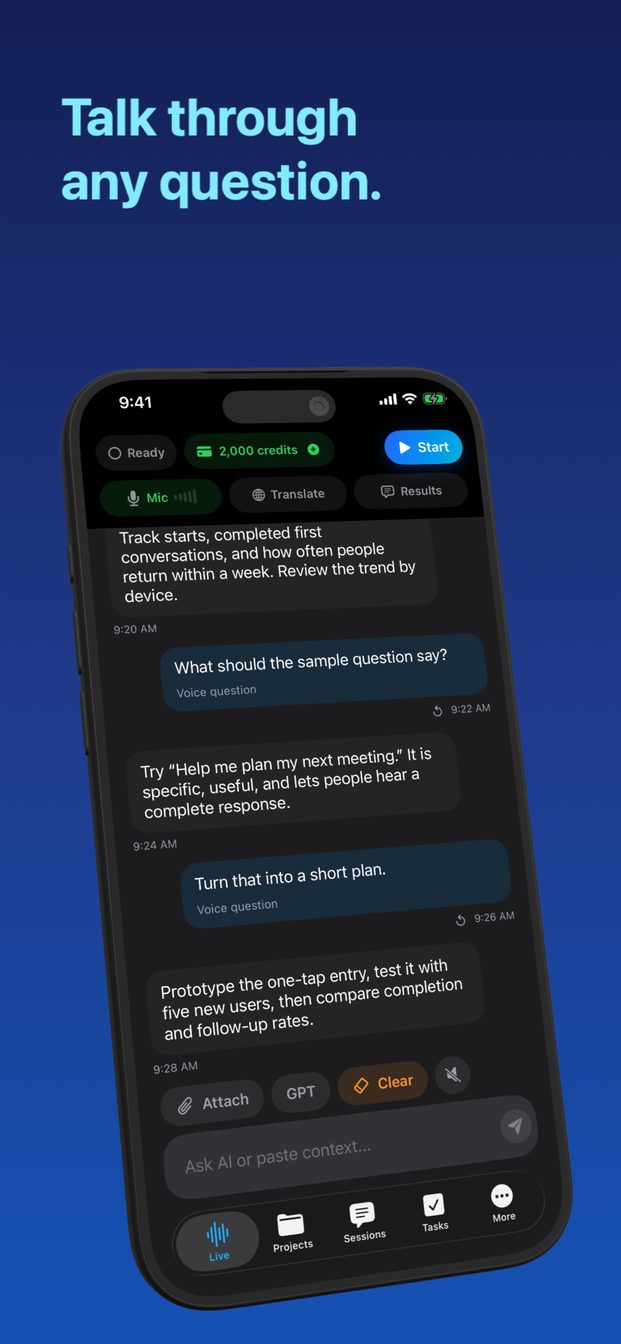
GPT Realtime Assistant includes a sales-demo template and supports conversational instructions. This article describes rehearsal and manual review, not automated lead qualification, CRM updates or live sales coaching that guarantees outcomes.
- Identify whether you clarified the concern before offering a solution.
- Check every capability, price and implementation claim against the fact sheet.
- Notice whether you ignored a genuine product limitation.
- Replace pressure language with an appropriate next question.
- Record open technical or commercial questions for verification.
- Repeat with a different objection rather than polishing one successful exchange indefinitely.
Finish with a credible next step
A next step may be a permitted demonstration, a written answer to the integration question or an honest acknowledgment that another option fits better. Tie it to what the customer needs to learn. Avoid a vague promise to “send everything” that creates an unnecessary burden for both people.
When you later use the practiced approach with a real customer, listen for differences from the simulation. A rehearsed objection is a starting point, not a script that overrides the person's actual concern. Good practice makes you more precise about what you can promise and more comfortable saying what you still need to check.