Rehearse a difficult work conversation before you have it
A difficult conversation is easier to prepare when you separate what happened from what you assume about the other person. Rehearse a factual opening and a reasonable request, then practice listening to an explanation you may not expect.
Decide whether a roleplay is appropriate
Routine workload, feedback and coordination conversations can benefit from rehearsal. Situations involving threats, harassment, discrimination or formal disciplinary procedures may need your organization's established process and qualified support. A conversational model cannot assess safety or replace that process from a short description.
For practice, remove names and identifying details that are unnecessary. Describe the observable behavior and its effect without giving the model a diagnosis of the other person's character. “The last two handoffs arrived after the agreed time” is a useful starting fact. “My colleague is lazy” steers the exercise toward an unsupported judgment.
Build a facts, impact and request opening
An invented opening could be: “The last two handoffs arrived after our agreed noon check. I had to postpone the review both times. Can we agree how to flag a delay before noon, or choose a time that is workable?” It names events, describes an effect and asks for a concrete adjustment without assigning motive.
Check the facts before rehearsing them. If one handoff was late because you changed the brief, include that context. Preparation is not a way to build the most persuasive version of a one-sided story. It should help you discuss the actual problem fairly.
Ask for a practice partner with boundaries
Try: “Roleplay a colleague responding to this workload concern. Give a plausible explanation or disagreement, one turn at a time. Do not use insults, diagnose either person or decide who is right. Afterward, point out where I moved from facts to assumptions.” Then speak your opening and let the simulated colleague answer.
One illustrative response is: “I did not realize noon was the cutoff; I thought the review started later.” A useful reply is: “That explains the mismatch. Let us check the timing we each had and agree it clearly.” You can acknowledge an explanation without deciding in advance whether it resolves the issue.
Rehearse disagreement as well as agreement
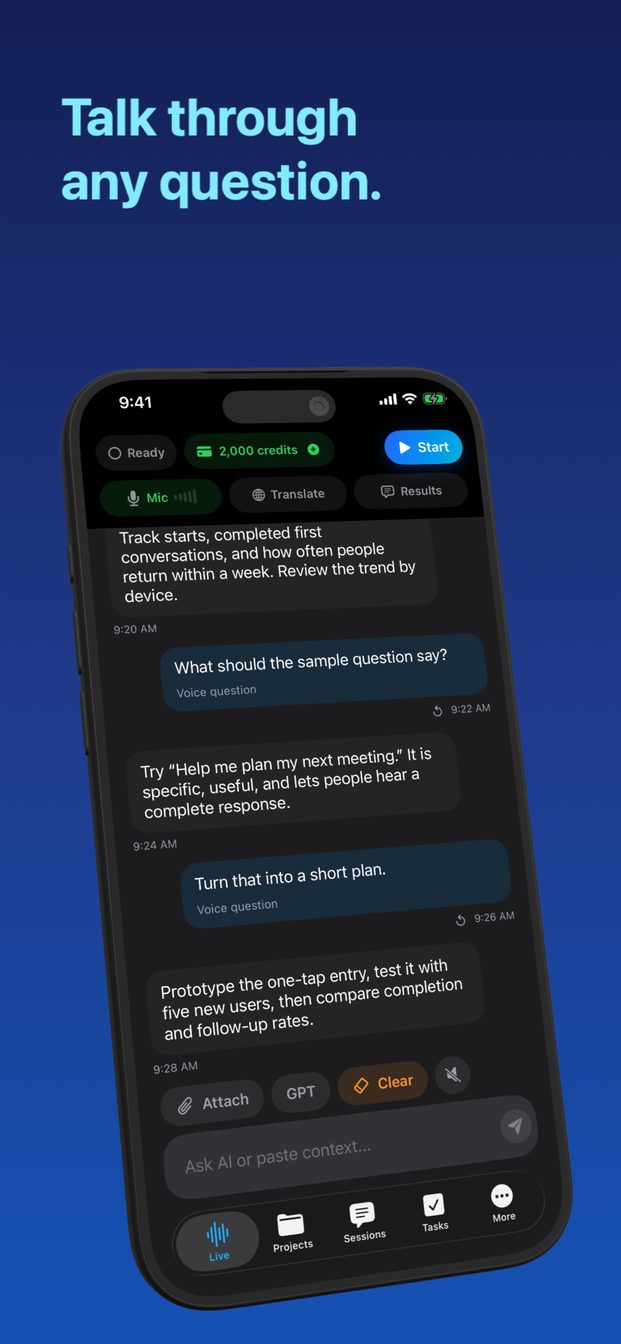
GPT Realtime Assistant's custom instructions and voice interaction can support this preparation. It cannot certify that wording will calm a real person or mediate a workplace dispute. Use its suggestions as drafts and adapt them to the relationship and context you know.
- State the specific incident rather than a permanent trait.
- Explain the practical impact without exaggeration.
- Ask a question that leaves room for missing context.
- Make a request the other person can understand and discuss.
- Practice a pause if the conversation becomes unproductive.
- End by restating any agreement and what still needs attention.
Keep the real outcome separate from the rehearsal
A cooperative roleplay does not predict a cooperative conversation. Enter the meeting ready to learn something, not to deliver a script to an imagined opponent. If new facts change your view, revise the request rather than forcing the conversation back to the practiced ending.
Afterward, write a brief, neutral note of actual agreements if appropriate. Do not copy the simulated outcome into the record. That distinction prevents a useful rehearsal from becoming a false memory of what the other person agreed to do.